
Alcohol Use Disorder (AUD) is a complex condition characterized by excessive and uncontrollable drinking. Recognizing its symptoms is crucial for early intervention. This article explores the red flags, physical and psychological impacts of addiction, and available support in Indiana for those seeking recovery. We delve into effective treatment approaches, emphasizing the importance of building a strong support system. Additionally, we discuss long-term strategies to maintain sobriety and prevent relapse, offering hope and guidance for a fulfilling life free from alcohol dependency.
- Understanding Alcohol Use Disorder: Recognizing the Red Flags
- The Impact of Addiction: Physical and Psychological Effects
- Seeking Help: Supportive Services in Indiana for Addiction Recovery
- Treatment Approaches: Therapeutic Options for Overcoming Alcohol Dependency
- Building a Support System: The Role of Family, Friends, and Support Groups
- Long-Term Recovery: Strategies for Sustaining Sobriety and Preventing Relapse
Understanding Alcohol Use Disorder: Recognizing the Red Flags

Alcohol Use Disorder (AUD) is a complex condition characterized by an impaired ability to stop or control alcohol consumption, despite adverse social, occupational, and health consequences. Recognizing the red flags is crucial for seeking timely help. Common symptoms include drinking more than intended, difficulty controlling intake, spending significant time obtaining and consuming alcohol, and neglecting responsibilities due to alcohol use. Individuals with AUD may also experience intense cravings, continue to drink despite causing or exacerbating problems, and develop tolerance, requiring more alcohol to achieve the same effect.
In Indiana, addiction recovery options are abundant, offering specialized programs tailored to address AUD. Facilities like Grove Estate Drug Rehab, White Light Behavioral Health, and Ethan Crossing Indianapolis provide comprehensive care, combining medical supervision, counseling, and support groups. These centers recognize that recovery is a personal journey and offers individualized treatment plans to cater to unique needs, fostering a path towards lasting sobriety.
The Impact of Addiction: Physical and Psychological Effects
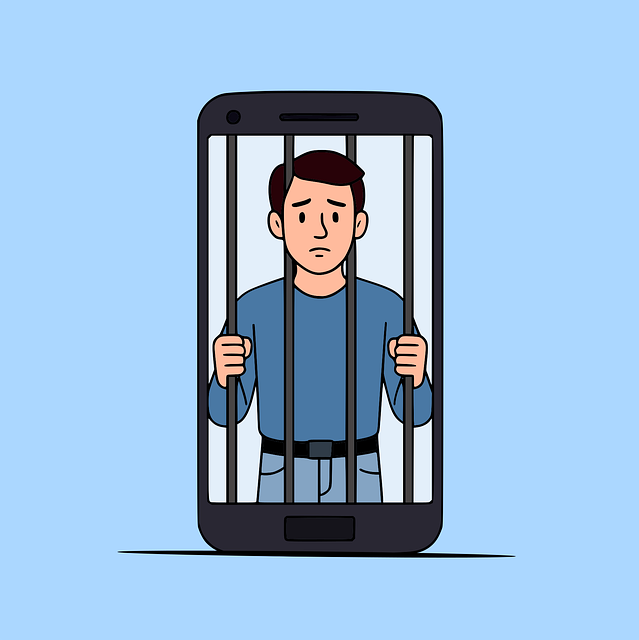
The impact of addiction, be it to alcohol or other substances, is profound and far-reaching, affecting both the physical and psychological aspects of an individual's life. In terms of addiction recovery Indiana, understanding these effects is crucial for navigating the road to recovery. Physically, prolonged substance abuse can lead to severe health issues such as liver damage, cardiovascular problems, and even neural deterioration. The body becomes dependent on the drug, experiencing withdrawal symptoms when consumption is halted, making it a challenging journey towards sobriety without proper support.
Psychologically, addiction can leave deep scars. It often causes significant changes in behavior, mood swings, and memory issues. Many individuals struggling with alcohol use disorder (AUD) may exhibit irritability, anxiety, or depression. Moreover, the drug rehab Indiana centers like Ethan Crossing in Indianapolis offer specialized care to address these co-occurring disorders, providing a holistic approach to addiction recovery. Breaking free from addiction is not just about stopping consumption; it involves healing and rebuilding one's life, both physically and mentally.
Seeking Help: Supportive Services in Indiana for Addiction Recovery

For those battling alcohol use disorder (AUD) in Indiana, seeking help is a crucial step towards addiction recovery. The state offers a range of supportive services designed to assist individuals in overcoming their struggles. One notable resource is White Light Behavioral Health, a leading provider of specialized care for substance abuse issues. Their comprehensive programs include drug detox and behavioral therapies tailored to individual needs.
Additionally, Indiana residents can access various treatment centers like Boca Recovery Center, which focuses on holistic healing and long-term recovery. These facilities provide safe environments where individuals can address the underlying causes of their addiction, develop coping strategies, and gain the tools necessary for sustained sobriety. With the right support, addiction recovery in Indiana is not just an aspiration but a feasible goal.
Treatment Approaches: Therapeutic Options for Overcoming Alcohol Dependency

Treatment for alcohol use disorder (AUD) in Indiana offers a range of therapeutic options designed to help individuals overcome addiction and achieve long-term recovery. One effective approach is behavioral therapy, which focuses on identifying and changing unhealthy thought patterns and behaviors related to drinking. This can include individual counseling, group therapy, or cognitive-behavioral therapy (CBT), all of which are available at reputable facilities like Ethan Crossing in Indianapolis.
Additionally, withdrawal management plays a crucial role in the early stages of recovery, as it safely helps individuals cope with the physical symptoms of detoxification. Facilities such as Grove Estate provide comprehensive care during this process, offering medical supervision and support to ensure safety and comfort. Many programs also incorporate aftercare planning, support groups, and ongoing therapy to prevent relapse and promote sustained sobriety.
Building a Support System: The Role of Family, Friends, and Support Groups

Building a strong support system is an integral part of overcoming alcohol use disorder (AUD). Family and friends play a crucial role in recovery by offering encouragement, understanding, and accountability. They can provide a safe space for individuals to share their struggles and celebrate milestones achieved during addiction recovery Indiana. Support from loved ones helps reduce feelings of isolation and provides a network of emotional support.
Additionally, joining support groups led by professionals or peer mentors at facilities like Boca Recovery Center or White Light Behavioral Health can be immensely beneficial. These groups offer a sense of community, allowing individuals to connect with others facing similar challenges. Sharing experiences and learning from one another can foster a deeper understanding of addiction and provide valuable tools for managing cravings and preventing relapse. Support systems are instrumental in guiding individuals through withdrawal management and every step of the recovery journey.
Long-Term Recovery: Strategies for Sustaining Sobriety and Preventing Relapse

Long-term recovery from alcohol use disorder (AUD) involves implementing strategies tailored to sustain sobriety and prevent relapse. This journey often begins with a structured treatment program at specialized facilities like White Light Behavioral Health or Grove Estate Drug Rehab in Indiana, where individuals learn coping mechanisms, receive therapy, and gain insights into their addiction. After completing the initial phase, ongoing support becomes crucial. Many opt for aftercare programs, 12-step groups, or peer support networks to maintain accountability and connect with others facing similar challenges.
At Grove Estate, for instance, extended care options provide a safe environment for continued healing. This can include regular therapy sessions, education on relapse prevention, and skill-building workshops. By combining these approaches, individuals armed with the right tools and a strong support system can effectively navigate long-term recovery, reclaiming their lives free from alcohol's grip.
As we step into 2026, Indiana's addiction recovery landscape continues to evolve with new research and innovative treatment modalities. One notable trend is the increasing integration of digital health solutions, such as mobile apps for tracking progress and virtual therapy sessions, making care more accessible and personalized. Additionally, mindfulness-based interventions like meditation and yoga are gaining prominence, proven effective in reducing cravings and improving overall well-being. These advancements build upon the solid foundation of support already available in Indiana, including specialized programs tailored to diverse populations and cultural considerations. Furthermore, community-based initiatives focused on early intervention and prevention have seen success, highlighting the importance of a holistic approach. By combining medical care, counseling, peer support, and social services, Indiana's recovery resources offer comprehensive solutions that cater to individual needs. This multi-faceted strategy ensures that those seeking help can navigate their path to sobriety with increased confidence and resilience. Indiana's resources for overcoming alcohol addiction